What to Wear to Wine Tasting in Willamette Valley?
Practical, season-by-season advice on what to wear wine tasting in Willamette Valley: layers for cool mornings, shoes for gravel and vineyard rows, and what to skip.
What to Wear to Wine Tasting in Willamette Valley?
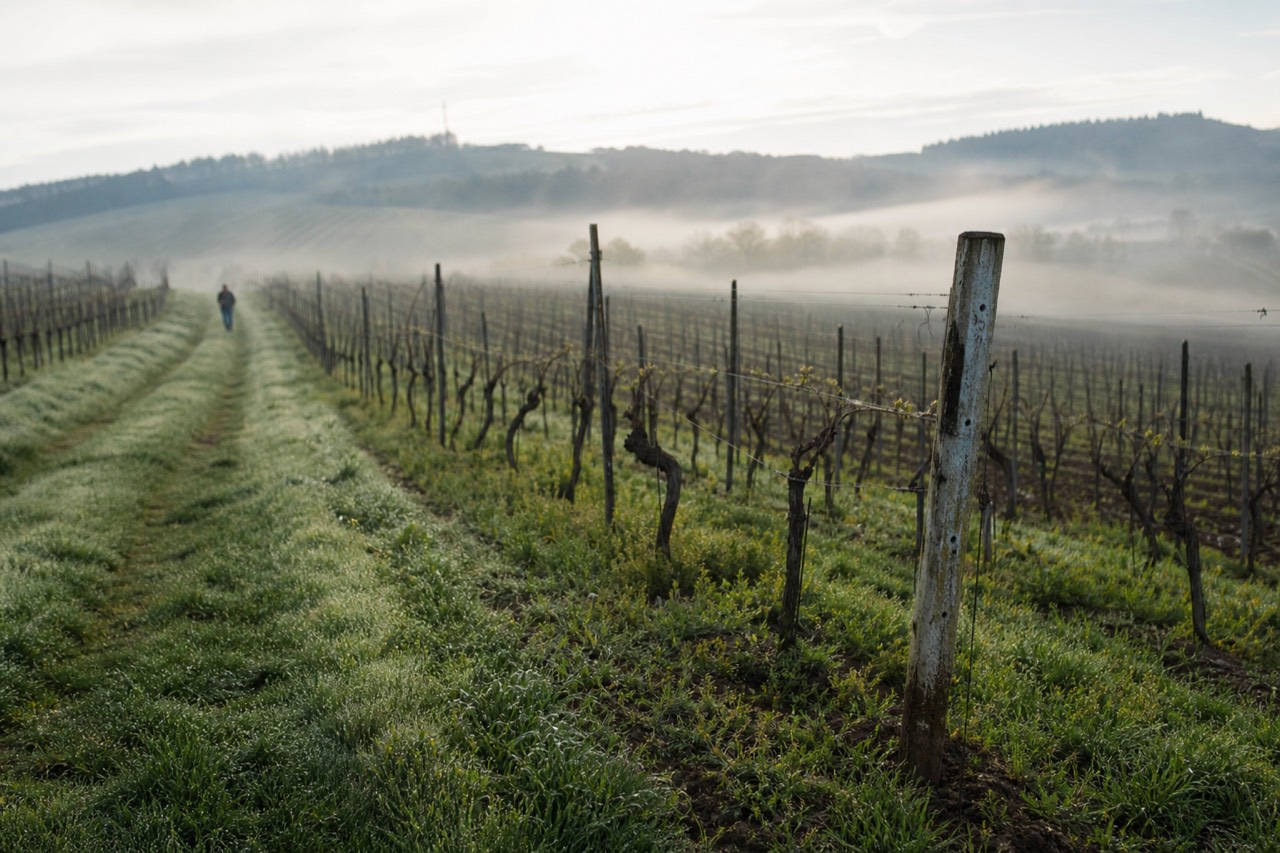
Willamette Valley tasting rooms do not publish a dress code, and nobody at the door will turn you away for wearing jeans. What actually shapes the right outfit is the valley itself: mornings that start cool even in summer, tasting rooms that range from rustic barns to sleek hilltop lounges, and a lot of gravel driveways, grass, and vineyard-row walking between them. The short version is layers, comfortable closed-toe shoes, and a jacket you can tie around your waist by early afternoon.
What to Wear to Wine Tasting in Willamette Valley?
The honest answer is that there is no formal dress code at Willamette Valley wineries, so dress for weather and walking rather than for a gatekeeper: a light base layer, something warm to add for cool mornings and evenings, and comfortable shoes that can handle gravel, grass, and sloped vineyard rows. Most guests land on smart-casual, which in practice means dark jeans or chinos with a nice top, or a casual dress with flats or low boots. Nothing about the region demands cocktail attire, and nothing forbids hiking pants. The valley sits in a marine-influenced climate where summer days can start genuinely cold and climb into warm afternoon territory, so an outfit that works when you leave your hotel will feel wrong by mid-afternoon unless you can shed a layer.
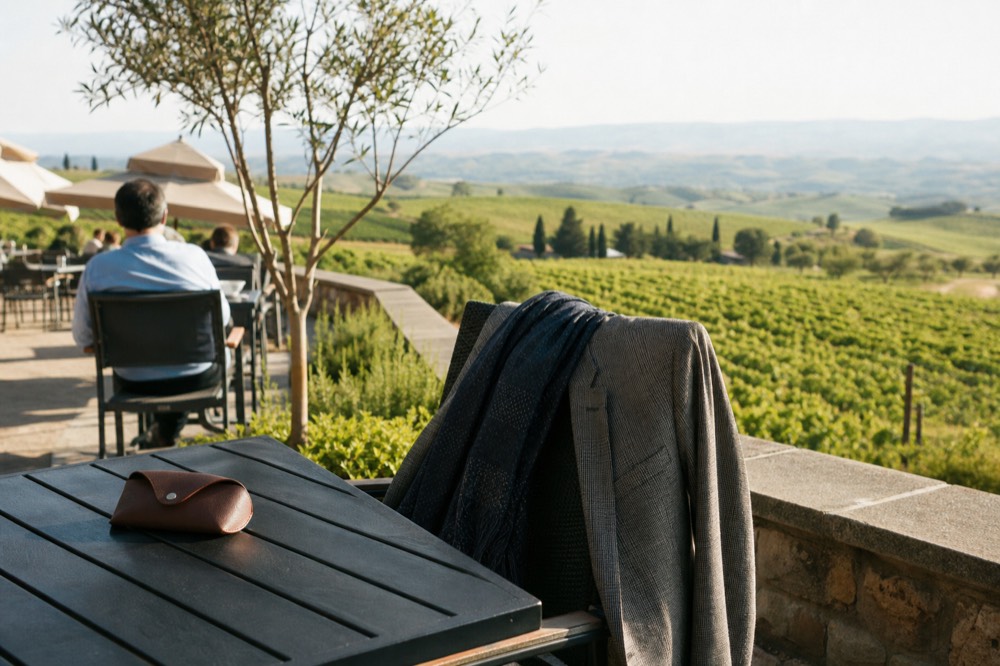
That swing in temperature is the single most common outfit mistake visitors make. Portland can be warm and sunny when you leave, and an hour south in wine country the morning fog can still be sitting in the hills. Wineries here sit at elevation in places like the Dundee Hills, where the breeze picks up on terraces built precisely for the view. If you plan to stand outside with a glass of Pinot Noir and look at the rows below, you will want a layer for it.
Color choice matters more than formality. Tasting rooms pour red wine, red wine spills, and most tasting counters are dark wood or light stone that shows every drop. Darker colors hide the small splashes that happen when a pourer slides a full glass across a bar. White pants and pale silk are legal, but you are volunteering for anxiety.
Accessories deserve a minute of thought too. A crossbody bag or small backpack keeps your hands free for a glass, a map, and eventually bottles you buy along the way. Sunglasses earn their place on any summer visit, since west-facing terraces catch the afternoon sun hard, and a hat does double duty against sun and, in the wetter months, drizzle. Skip anything dangling near the glassware; long scarves and loose sleeves have a way of finding the tasting flight.
If your day involves a guided outing rather than driving yourself, the operator handles the logistics and you only handle the weather. These three Portland-departure tours cover the common formats:
What should you wear in each season in Willamette Valley wine country?
Season changes the outfit more than the venue does: summer calls for breathable layers and sun protection, spring and fall call for a real jacket and water-resistant shoes, and winter calls for an insulated coat, warm waterproof footwear, and an umbrella, because rain is the norm rather than the exception. The valley's growing season is why the wine is here in the first place, and the same cool, wet winters that suit Pinot Noir mean a November visit can be muddy, gray, and beautiful all at once.
| Season | Typical daytime feel | What to wear | What to skip |
|---|---|---|---|
| Summer (Jun-Aug) | Warm afternoons, cool mornings and evenings | Breathable shirt, light sweater or flannel, sunglasses, hat for terrace time | One thin layer with nothing to add after sunset |
| Fall (Sep-Nov) | Crisp, increasingly wet, harvest activity | Medium jacket, closed-toe shoes, something water-resistant | Smooth-soled dress shoes on wet gravel |
| Winter (Dec-Feb) | Cold, rainy, short days | Insulated coat, waterproof boots, umbrella | Canvas sneakers, anything that soaks through |
| Spring (Mar-May) | Unpredictable, mix of sun and showers | Layers plus a rain shell, mud-capable shoes | Assuming the forecast three days out holds |
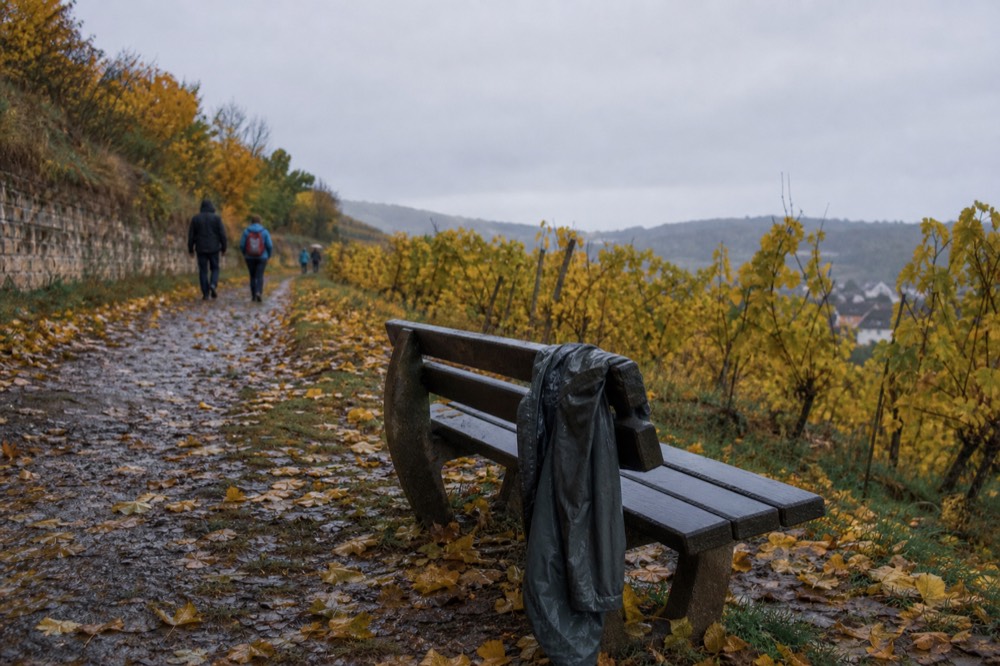
Fall deserves a special note because it is harvest season, and harvest is when the valley is at its most active and its most unpredictable. Crush season means trucks, mud around the crush pad, and tasting rooms that may be busier and more energetic than at any other time of year. A jacket you can wipe down and shoes that can take a muddy patch are the right call, and the golden vines make it the most photogenic time to visit, so plan the outfit for photos too.
Shoe and layer choices depend on the day ahead, so this table shows start points, door-to-door pickup and tour length.
| Tour | Where the day starts | Door-to-door pickup | Length |
|---|---|---|---|
| Willamette Valley Wine Tasting Tour (Half-Day) | Portland (select downtown hotels) | Yes | 5.5 hours |
| Wine Tour of Willamette Valley by Sprinter Van | Portland (downtown hotels) | Yes | 6 hours |
| Portland Wine Tour of Willamette Valley (Sprinter Van) | Portland (downtown hotels, about 10:30am start) | Yes | 6 hours |
| Willamette Valley Wine Tasting Tour from Portland | Portland (Director Park, downtown) | No, you meet the tour | About 7.5 hours |
| Willamette Valley Wine & Whisky Tour | Portland (hotel pickup) | Yes | Not stated on the listing |
| Willamette Valley Full-Day Wine Tour from Portland | Portland (door-to-door) | Yes | Full day, back by about 5pm |
| Wine Tour of Willamette Valley with Lunch | Portland (hotels/residences) | Yes | 7.5 hours |
| Door-to-Door Wine Tour in Willamette Valley | Portland metro (door-to-door, incl. Salem, McMinnville, Newberg) | Yes | Not stated on the listing |
| Small-Group Wine Tour of Willamette Valley | Portland (Pioneer Square / 720 SW Broadway Ave) | No, you meet the tour | 7.5 hours |
| Oregon Wine Tour: Full Day with Lunch Stop | Portland (select hotels, within about 45 miles) | Yes | 8 hours |
The Willamette Valley Wineries Association's own visitor guidance recommends allowing at least 90 minutes per tasting stop, which means you are outdoors moving between parking, terrace, and tasting room far more than you might expect. Their tips page also suggests checking with each winery before you visit, since reservation norms genuinely vary, a point we cover in detail in do you need reservations for Willamette Valley wineries. Dress for a day that spends real time outside, not just a quick indoor stop.
If you would rather not think about parking, gravel, or who drives home after the third stop, a guided tour solves that while you focus on the weather app.
What shoes should you wear to a wine tasting?
Wear comfortable closed-toe shoes with real tread, because Willamette Valley wineries involve gravel driveways, grass slopes, outdoor terraces, and sometimes a walk between vineyard rows, and slick dress soles or thin heels genuinely struggle on all of those surfaces. This is the one wardrobe item where function clearly beats style. Even the most polished hilltop tasting room usually sits at the end of a gravel lane, and many properties offer vineyard walks or patio seating where the ground is entirely unpaved. Low boots, loafers with rubber soles, clean sneakers, or ankle boots all work with smart-casual outfits.
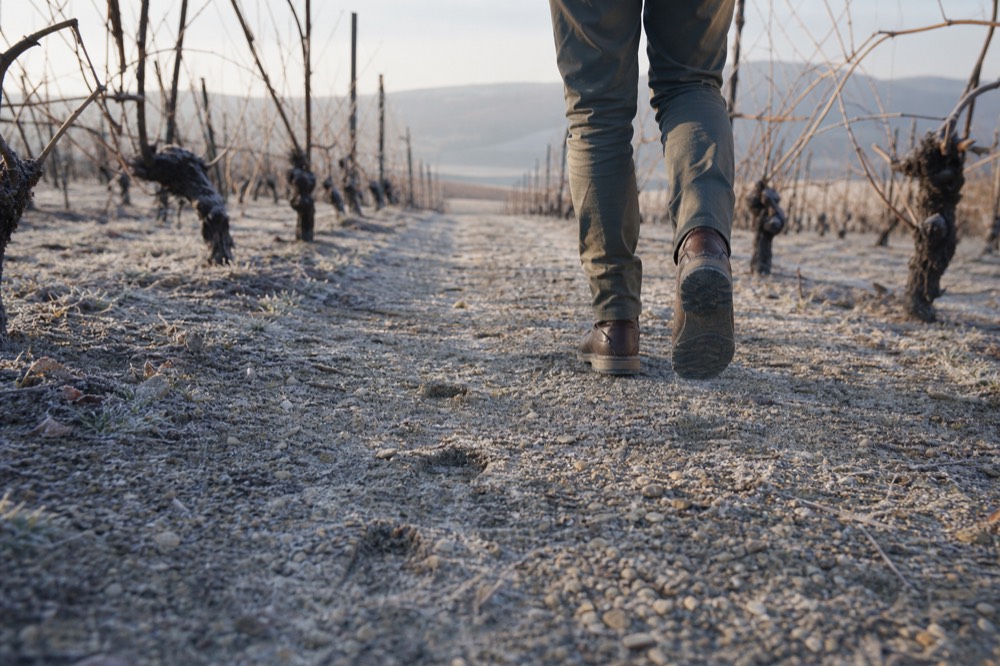
Heels deserve a specific warning. A tasting terrace with a view is often grass or decomposed granite, and a stiletto will sink, wobble, or both. If you want height, a block heel or wedge is the practical compromise. Sandals are fine in July if you are staying on paved surfaces, but know your itinerary first: a stop that includes a cellar tour or a vineyard walk will make you regret open toes.
Break in whatever you bring. A day that hits three or four wineries at the association's recommended pace puts you on your feet for most of it, standing at bars, walking grounds, and climbing the occasional terrace stair. Brand-new shoes that have never walked a gravel lane are the second most common regret after the missing layer. If your itinerary leans rustic, a pair of stylish leather sneakers or waterproof chelsea boots will carry you from a working cellar to a hilltop lounge without a wardrobe change.
There is also a legal angle worth knowing if your footwear debate is really a who-drives debate. Oregon's open-container law, ORS 811.170, exempts passengers in a vehicle operated by a common carrier used primarily to carry passengers for hire, which is the actual legal basis for chartered wine-tour vans, while a private car of friends touring on their own gets no such exemption. Letting a tour drive means everyone in your group can taste freely and legally. The Sprinter-van tour from America's Hub World Tours is a good example: it runs about 6 hours with downtown Portland hotel pickup, from $145 per person, rated 4.5 across 51 reviews, with tasting fees often waived with a bottle purchase.
What should you avoid wearing to a Willamette Valley tasting room?
Avoid heavy perfume or cologne, white or easily stained fabrics, restrictive clothing if your day includes walking, and anything you cannot add a layer over, because scent interferes with tasting and red wine stains are the day's main wardrobe hazard. The perfume point is not etiquette fussiness: aroma is most of what wine tasting is, and a strong fragrance at a shared tasting bar genuinely interferes with your own experience and your neighbor's. Skip the scented lotion too. This is standard advice at tasting rooms everywhere, and it applies doubly at a shared counter in a small room.
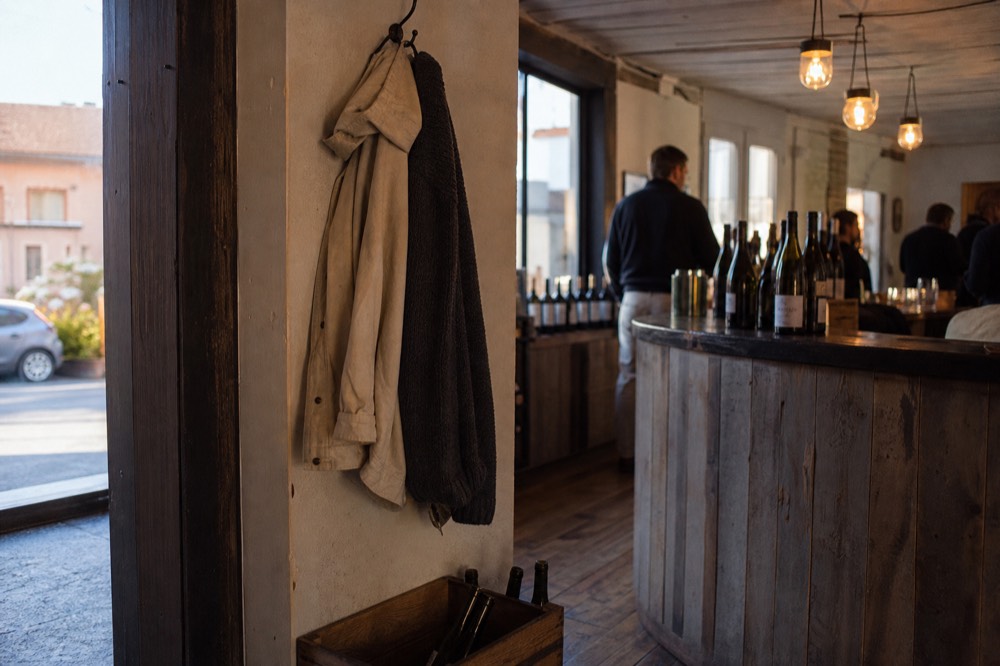
Beyond scent and stains, the practical misses are usually about rigidity. A very tight skirt or brand-new stiff boots will make a 90-minute-per-stop day miserable, and the association's own pacing guidance means you may be on your feet for hours across three or four wineries. Bring a bag that frees your hands, since you will be carrying a glass, possibly a map, and eventually bottles.
Think about the drive too. Most tours from Portland spend roughly an hour each way getting into wine country, and a vehicle's climate can differ sharply from the terrace you just left. A layer you can stash in the van, plus a scarf that doubles as sun protection and warmth, covers the transitions. If you are self-driving, the same logic applies to your car's back seat, minus the legal open-container exemption, which under ORS 811.170 belongs to passengers in a properly chartered for-hire vehicle, not to a private car of friends.
One more thing worth planning around: many of the most popular Portland-departure tours run long days with real walking, so the outfit rules above apply to the whole outing, not just the tasting rooms. The door-to-door tour from Willamette Valley Tour LLC, from $235 per person with a lunch stop included and tasting fees extra, rated 5.0 across 5 reviews, picks you up at your accommodation, which at least means you can leave the bulky layer in the vehicle between stops.
Do Willamette Valley wineries actually have a dress code?
No Willamette Valley winery enforces a dress code, and none of the region's official visitor guidance mentions one; what the guidance does emphasize is weather-awareness, comfortable walking, and planning your timing, so smart-casual comfort is a choice, not a requirement. The spread of properties here is wide: some tasting rooms are working winery buildings with concrete floors and a view of the tanks, while others are architectural showpieces with fireplaces and terrace service. Both seat the same visitor, and both see everything from hiking gear to sports coats on a normal Saturday.
The one honest nuance is special events. Winery dinners, harvest parties, and holiday events sometimes suggest elevated attire on the invitation, and that suggestion comes from the event, not the tasting room. If your visit includes an event, check the event listing. Otherwise, the same guidance that tells you to plan 90 minutes per stop tells you nothing about clothes, because the region genuinely does not care.
A useful packing shortcut for a multi-winery day: build the outfit around one base layer that works indoors when it is warm, one mid-layer that works on a breezy terrace, and one outer layer for the walk from the parking area. Shoes stay constant all day, so they are the item worth the most deliberation. Everything else can come off and go back on as the stops and the weather shift, and a tote or roomy bag in the vehicle keeps the shed layers out of the tasting room.
Seasonal timing shapes the whole trip more than any outfit does, and if you are still deciding when to come, our best time to visit Willamette Valley guide breaks down the tradeoffs month by month. For a broader sense of why the region draws crowds at all, what is Willamette Valley known for covers the ground. And if you are building the day around a guided outing rather than self-driving, this site, Willamette Valley Wine Tours, keeps a full roster of currently-live options with prices and review counts pulled straight from each operator's listing.
These three tours are a good starting spread of formats and price points:
The short answers below cover the outfit questions visitors ask most: layers over fashion, closed-toe shoes over style, dark colors over light ones, and no perfume anywhere near the tasting flight. Each question gets a direct answer you can act on while packing.
Common questions about what to wear wine tasting
What to Wear to Wine Tasting in Willamette Valley?
Dress in layers with comfortable closed-toe shoes. There is no dress code, but valley mornings and evenings run cool, afternoons warm up, and most wineries involve gravel driveways, grass terraces, and some walking. Dark colors hide wine splashes, and smart-casual is the default most guests choose.
Can you wear jeans to a winery?
Yes. Dark, clean jeans are common at every level of Willamette Valley tasting room, from rustic cellar doors to hilltop lounges. Pair them with a nice top and you will fit in anywhere in the valley.
Are sandals or heels okay at a tasting room?
Sandals are fine in summer if you stay on paved surfaces, but many properties have gravel lanes, grass, and unpaved terraces where they are uncomfortable. Heels, especially thin ones, sink and wobble on those surfaces; a block heel or wedge is the practical alternative.
Should you bring a jacket even in summer?
Yes. Summer mornings in the valley start cool and afternoons warm up considerably, then cool again on elevated terraces in the evening. A light flannel, sweater, or jacket you can tie around your waist solves the whole day.
Why should you skip perfume at a wine tasting?
Aroma is most of what you are there to experience, and a strong fragrance interferes with your own tasting and with guests standing near you at a shared bar. Skip cologne, perfume, and scented lotion on tasting days.