Willamette Valley AVAs: What AVA Means in Wine and All Six Valleys Explained
An AVA is a federally recognized grape-growing region, and the Willamette Valley packs six of them into a compact stretch of northern Oregon. Here is what that label legally means, why the valley has six, and how to taste your way through them.
Short answer
AVA stands for American Viticultural Area, a federally designated wine-grape growing region with defined boundaries. The Willamette Valley contains six AVAs: Dundee Hills, Ribbon Ridge, Yamhill-Carlton, Chehalem Mountains, Eola-Amity Hills and McMinnville. Most sit within about an hour of Portland, and most tours cross several in a single day.
Willamette Valley AVAs: What AVA Means in Wine and All Six Valleys Explained
Wine labels in the United States carry a small word with real legal weight: AVA. The Willamette Valley, a narrow stretch of western Oregon running south from Portland, holds six of these federally recognized regions inside its boundaries, more than many entire states manage. That density is not marketing. It reflects genuinely different soils, elevations and climates packed into a valley you can cross in under an hour, and it shapes everything from what is in your glass to which tour you should book. This guide explains what an AVA legally is, why the valley earned six of them, and how the region's guided tours map onto that geography, whether you want to go deep on one AVA or sample several in a day.
What does AVA mean in wine?
AVA stands for American Viticultural Area, a grape-growing region officially recognized and mapped by the federal government through the Alcohol and Tobacco Tax and Trade Bureau. An AVA is defined by geography rather than by a single owner or brand: its boundaries are drawn around areas that share climate, soil, elevation and other growing conditions, and a winery may print the AVA's name on its label only when the required share of the grapes comes from inside those lines.
The system exists because place matters in wine. Two vineyards a few miles apart can sit on different volcanic soils, hold heat differently through the afternoon, or dodge rain in slightly different patterns, and the resulting wines can taste noticeably distinct even when made from the same grape by the same methods. An AVA is the legal mechanism for drawing a line around one of those places and letting the label say so.
It helps to see how the tiers stack. At the broadest level, a wine labeled simply "Oregon" can source grapes from anywhere in the state. One step down, "Willamette Valley" narrows the origin to that valley's own approved boundary. The six nested AVAs inside it, Dundee Hills, Ribbon Ridge, Yamhill-Carlton, Chehalem Mountains, Eola-Amity Hills and McMinnville, are the tightest rings in the local system, and a bottle that names one of them is telling you something specific about where its grapes grew.
What an AVA is not matters too. It is not a quality grade, a guarantee of style, or a certification that the wine is good. It is an origin claim, policed on the labeling side. A winery inside the Dundee Hills can make an ordinary wine, and a winery just outside any AVA can make a superb one. What the designation reliably tells you is where the fruit came from, and in a valley as geologically varied as this one, that single fact carries a lot of flavor information.
Why does the Willamette Valley have six separate AVAs?
The Willamette Valley holds six AVAs because its wine country is geologically young and dramatically patchy: ancient lava flows, catastrophic floods and windblown soil deposits left distinct pockets of elevation and dirt within a few miles of each other, and growers petitioned the federal government to draw boundaries around each distinct pocket. The result is one valley containing six nested growing regions, most clustered near the towns of Newberg, Dundee and McMinnville.
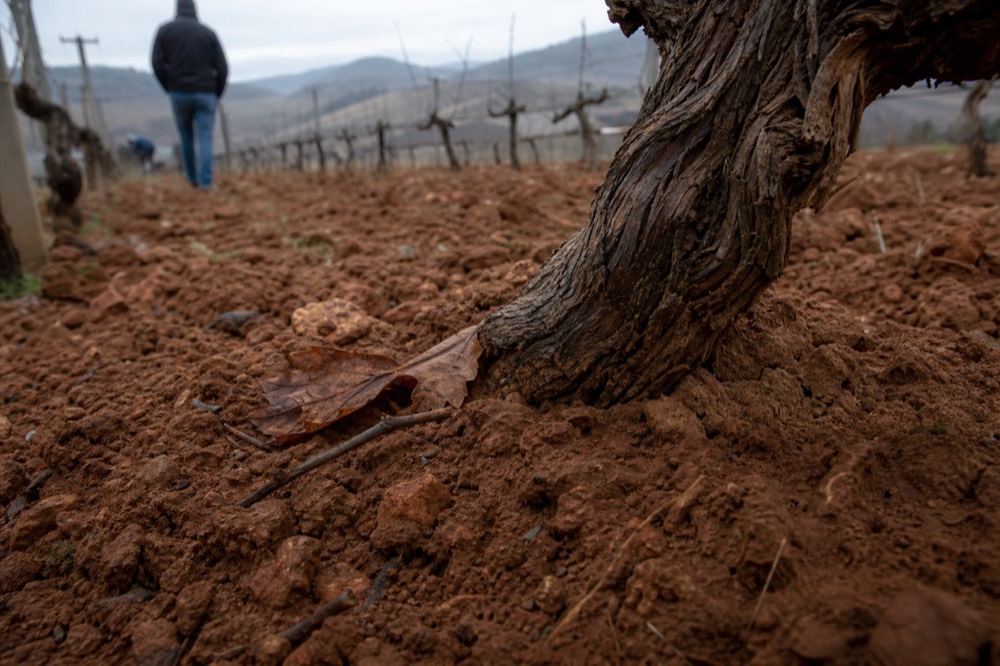
The story starts with basalt. Tens of millions of years ago, lava flows covered the region, and later catastrophic Ice Age floods deposited layers of sediment on top of them. Where erosion stripped those sediments away, red volcanic soils of the Jory series were left exposed, most famously across the Dundee Hills. Where the flood deposits stayed, marine sedimentary soils dominate instead. Windblown silt, called loess, drapes over much of it in varying depths. Each soil drains differently, warms differently and pushes vines to ripen at different paces, which is precisely the kind of variation the AVA system was built to describe.
The practical payoff for a visitor is concentration. Five of the six AVAs overlap or border one another in the northern end of the valley, around the Chehalem Mountains, Ribbon Ridge, Dundee Hills and Yamhill-Carlton, all within roughly a half-hour drive of each other. McMinnville sits just southwest of that cluster, and the Eola-Amity Hills sit farther south near Salem. A single well-planned day of tasting can touch three or four AVAs without ever spending an hour in the car, which is why so many tours based here cover so much ground.
If you want help turning that map into an actual day, a guided option does the routing for you. These three are strong fits for AVA-focused visits, from a single-AVA deep dive to flexible private itineraries.
Dundee Hills: the valley's flagship AVA
The Dundee Hills is the Willamette Valley's most famous AVA and its spiritual center: a chain of red-soiled hills between the towns of Dundee and Newberg where the valley's modern wine industry took root, planted heavily to Pinot Noir on the volcanic Jory soils that give the region's most recognizable wines their structure and fruit. For many visitors, it is the default first stop in wine country.
The AVA's defining feature is that red volcanic soil. Where neighboring regions grow on marine sediments or flood deposits, the Dundee Hills rise above the valley floor with deep, rust-colored Jory series soils that drain freely and hold warmth, coaxing Pinot Noir to ripeness with a combination of dark cherry fruit, earth and acidity that has become the region's calling card. Elevation matters here too: the hills sit above the fog and frost pockets of the lowlands, which is a real advantage in a marginal, cool climate.
As the valley's flagship AVA, Dundee Hills offers several ways in, from a helicopter flight to a flexible hop-on shuttle.
| Tour | Group or vehicle | Length | From price |
|---|---|---|---|
| Tour DeVine by Heli: Helicopter Wine Tour | Private, by helicopter | 6 hours | $2,357.50 |
| Private Dundee Hills Luxury Wine Tour | Private, hotel/B&B/residence pickup | 6 hours | Price on request |
| Hop-On Hop-Off Wine Tour | Shuttle, wine-bottle check available | 4.5 hours | Price on request |
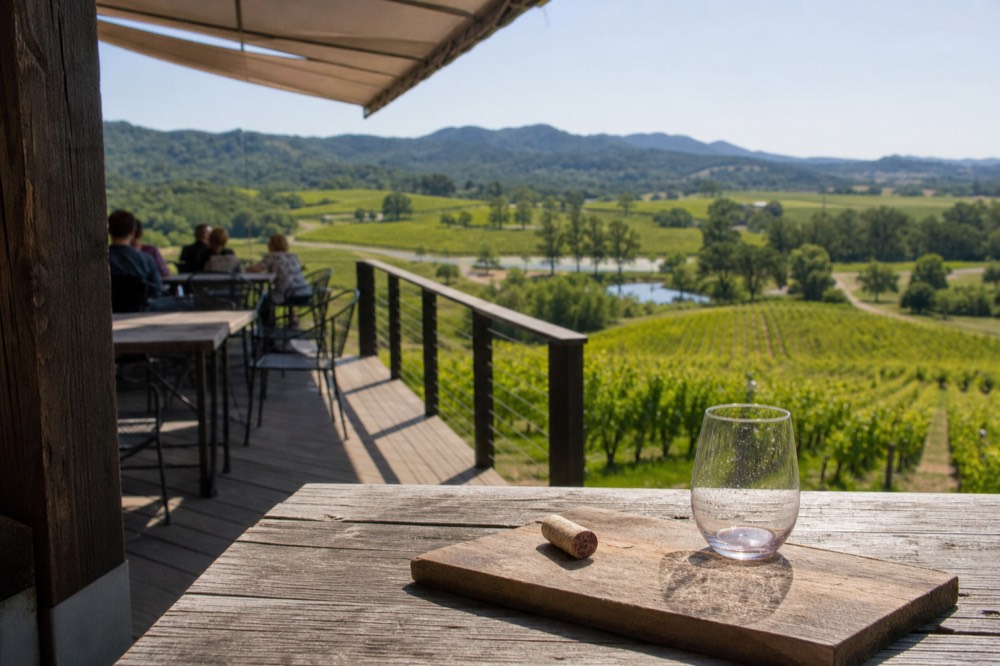
For planning purposes, the Dundee Hills are compact and tour-friendly. The AVA sits about an hour south of Portland, and its tasting rooms cluster along a few rural roads where a driver genuinely earns their keep. If you want the AVA treated as the whole point of the day rather than one stop among many, the private Dundee Hills luxury wine tour from All About You Luxury Wine Tours is built exactly that way: a private, six-hour itinerary focused entirely on the Dundee Hills AVA, with hotel, B&B or residence pickup, lunch included and tasting fees extra. Its rating is unresolved on the listing, so read the guest reviews there before booking.
Ribbon Ridge and the Chehalem Mountains: the northern neighbors
Ribbon Ridge is the smallest of the valley's AVAs, a single isolated ridge of marine sedimentary soils tucked into the northern wine country, while the Chehalem Mountains is the largest, a broad, high spine of land immediately north of the Dundee Hills that contains a wider spread of elevations and soil types. Together they frame the Dundee Hills from the north and reward a short drive with a clearly different style of wine.
Ribbon Ridge works because it is small and coherent. One ridge, one dominant soil type, a consistent microclimate protected from the strongest winds: those conditions produce wines with a reputation for structure and perfume, and a small number of growers who all know each other. Tasting here feels less like touring a region and more like visiting a single hillside, which is essentially what you are doing.
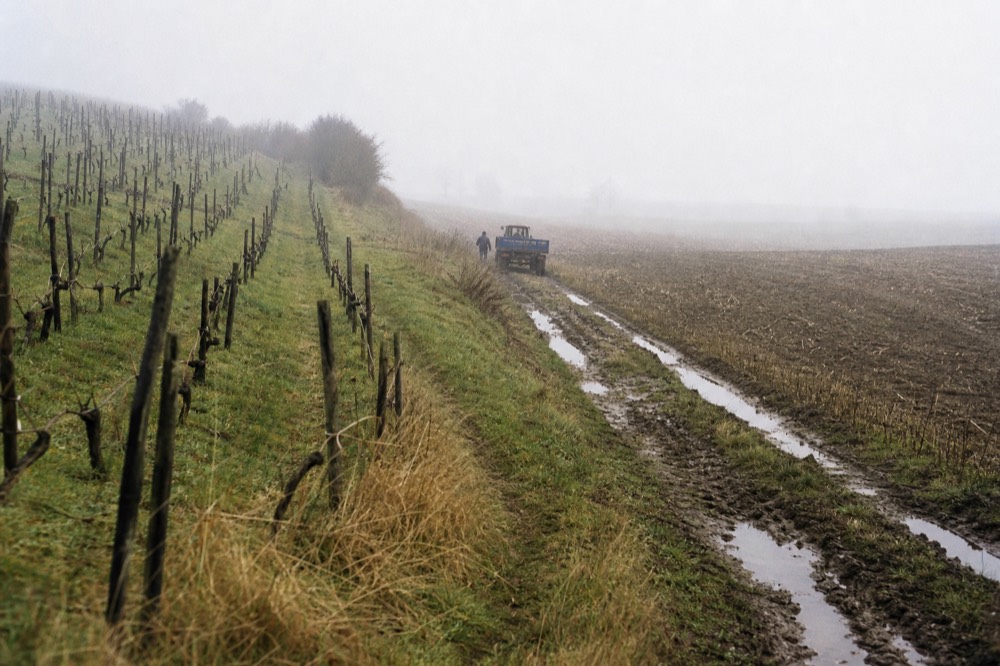
The Chehalem Mountains, by contrast, are big enough to contain multitudes. The AVA spans volcanic soils on its eastern flank, sedimentary soils on the west and windblown loess on top, with elevation changes large enough that harvest timing can differ meaningfully within the boundary. That makes it a good place to taste comparatively within a single afternoon: neighboring wineries on different soils can pour noticeably different Pinot Noirs from the same vintage. Most tours that pass through the area treat it as a scenic corridor between Portland and the Dundee Hills, and the drive itself is one of the prettier stretches in the valley.
Here is how the two northern AVAs compare with their famous neighbor to the south, side by side:
| AVA | Size and shape | Dominant soil | Character of the Pinot Noir | Best fit for a visit |
|---|---|---|---|---|
| Ribbon Ridge | Smallest AVA, one isolated ridge | Marine sedimentary | Structured, perfumed, spice-driven | A focused single-ridge stop between bigger AVAs |
| Chehalem Mountains | Largest AVA, a broad high spine | Mixed: volcanic, sedimentary and loess | Varies sharply by site within the AVA | Comparative tasting across soils in one afternoon |
| Dundee Hills | A chain of hills between Dundee and Newberg | Red volcanic Jory series | Dark cherry fruit, earth, firm acidity | The flagship first visit for most travelers |
Because the northern AVAs sit this close together, a private guide who already knows the roads turns a multi-AVA day into something effortless rather than a navigation exercise.
Yamhill-Carlton: the western sedimentary AVA
Yamhill-Carlton is the AVA immediately west of the Dundee Hills, centered on the small towns of Yamhill and Carlton and defined by coarse, well-drained marine sedimentary soils in the foothills of the Coast Range. Growers here prize the AVA for early-ripening sites and a rounder, spice-driven expression of Pinot Noir, and Carlton's compact downtown has become one of the valley's most pleasant tasting hubs.
The soil contrast with Dundee is the whole story. Instead of red volcanic clay, Yamhill-Carlton's vines grow in ancient seabed deposits, sandstone-based soils that drain quickly and warm early. The wines that result tend toward dark fruit, spice and a softer texture than the firmer volcanic examples a few miles east, and tasting across the two AVAs back to back is one of the fastest ways to understand why the valley bothered to draw six separate boundaries at all.
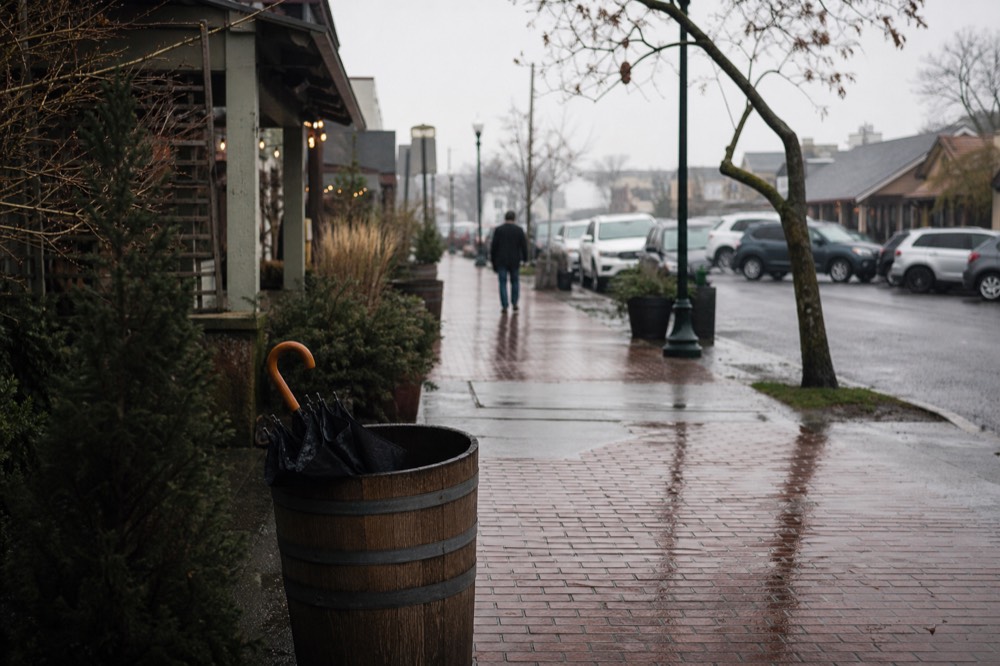
Carlton itself deserves a mention in any AVA guide, because it concentrates the experience. A handful of tasting rooms sit within a short walk of each other in the town's core, which makes it the rare spot in the valley where you can taste wines from multiple AVAs without moving the car. It is also the departure point for the NW Wine Shuttle hop-on hop-off tour, a 4.5-hour shuttle that departs from 105 W Main St in Carlton, behind Pike Road Wines, and holds reservations at three wineries, with tasting fees not included. Its rating is unresolved, so check the reviews on the listing.
Eola-Amity Hills and McMinnville: the southern pair
The Eola-Amity Hills AVA sits near Salem, well south of the northern cluster, and is defined by a chain of hills exposed to cooling winds through the Van Duzer Corridor, a gap in the Coast Range that funnels Pacific air into the mid-valley. The McMinnville AVA, closer to the northern cluster but distinct, sits southwest of Yamhill-Carlton around the town of McMinnville, on shallow soils at the edge of the Coast Range foothills.
The Van Duzer Corridor is the Eola-Amity Hills' signature. That wind gap drops afternoon temperatures and extends hang time on the vine, producing wines with firm acidity and aromatic lift that many growers argue are the valley's most age-worthy. The trade-off for visitors is distance: the AVA sits noticeably farther south than the Dundee Hills cluster, so it usually anchors its own half-day or its own tour day rather than tagging along at the end of a northern itinerary.
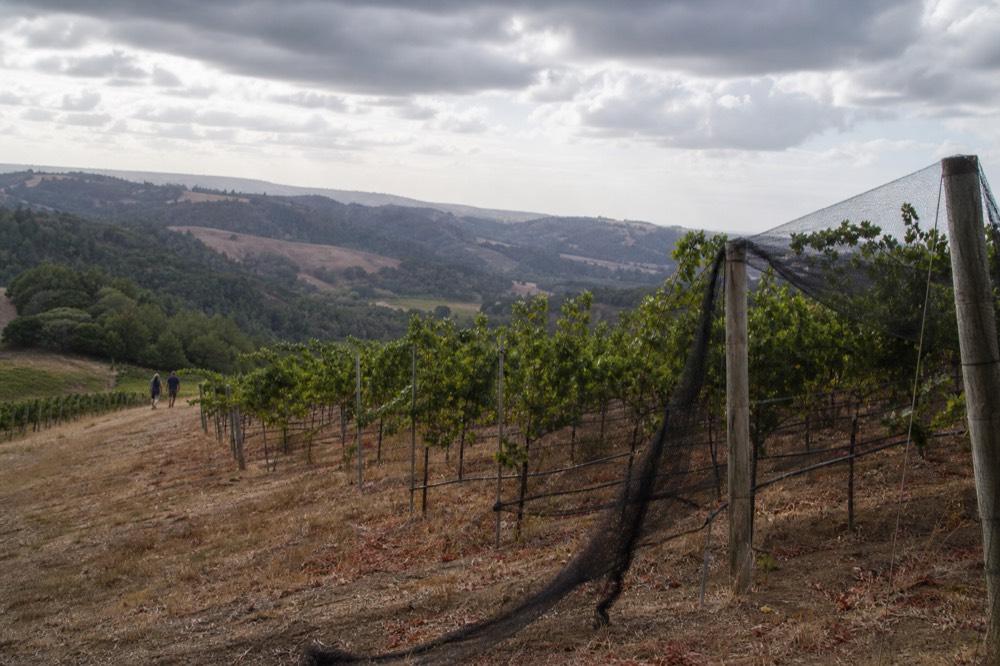
McMinnville, the AVA and the town, works differently. The town is the valley's most developed wine-country base, with tasting rooms, restaurants and hotels concentrated around a walkable core, and the surrounding AVA's shallow, variable soils produce concentrated Pinot Noir from some of the highest, most exposed sites in the northern valley. Several tours start here rather than in Portland, including the McMinnville wine tour from Wine History Tours, a 6-9 hour outing rated 5.0 across 36 reviews with tasting fees included. Staying in McMinnville and touring from there is the single best way to keep the Eola-Amity Hills within comfortable reach.
For a quick orientation, here is where each of the six AVAs sits relative to the valley's main bases:
| AVA | Position in the valley | Nearest base town | Signature characteristic |
|---|---|---|---|
| Dundee Hills | Northern cluster, between Dundee and Newberg | Newberg or Dundee | Red volcanic Jory soils, the flagship style |
| Ribbon Ridge | Northern cluster, tucked north of Dundee | Newberg | Smallest AVA, one coherent ridge |
| Chehalem Mountains | Northern cluster, north and east of Dundee | Newberg or Portland approaches | Largest AVA, mixed soils and elevations |
| Yamhill-Carlton | West of the Dundee Hills | Carlton or Yamhill | Marine sedimentary soils, early-ripening sites |
| McMinnville | Southwest of Yamhill-Carlton | McMinnville | Shallow soils, walkable wine-country town |
| Eola-Amity Hills | Farther south, near Salem | Salem or McMinnville | Van Duzer Corridor winds, firm acidity |
Which tours focus on one AVA versus crossing several?
Only a few Willamette Valley tours are built around a single AVA, led by the private Dundee Hills luxury tour, which spends its entire six-hour itinerary inside that one AVA. Most other tours cross several AVAs in a day, typically stringing together Dundee Hills, Ribbon Ridge, Chehalem Mountains and Yamhill-Carlton stops, while private and custom tours let you choose the mix yourself. The right choice depends on whether you want depth or breadth.
Here is how the main guided formats map onto AVA geography:
This grouped view lines up the tour categories side by side, so you can weigh price ranges and included tasting fees before choosing a focus.
| Group of tours | Tours on this site | Published from-prices | Tours with tasting fees included |
|---|---|---|---|
| From Portland | 10 | $137.75 to $235 | 1 |
| Private & Luxury | 5 | $318 to $2,250 | 2 |
| Newberg & McMinnville | 4 | $354.70 to $430 | 4 |
| Dundee Hills & Specialty | 3 | $2,357.50 | 1 |
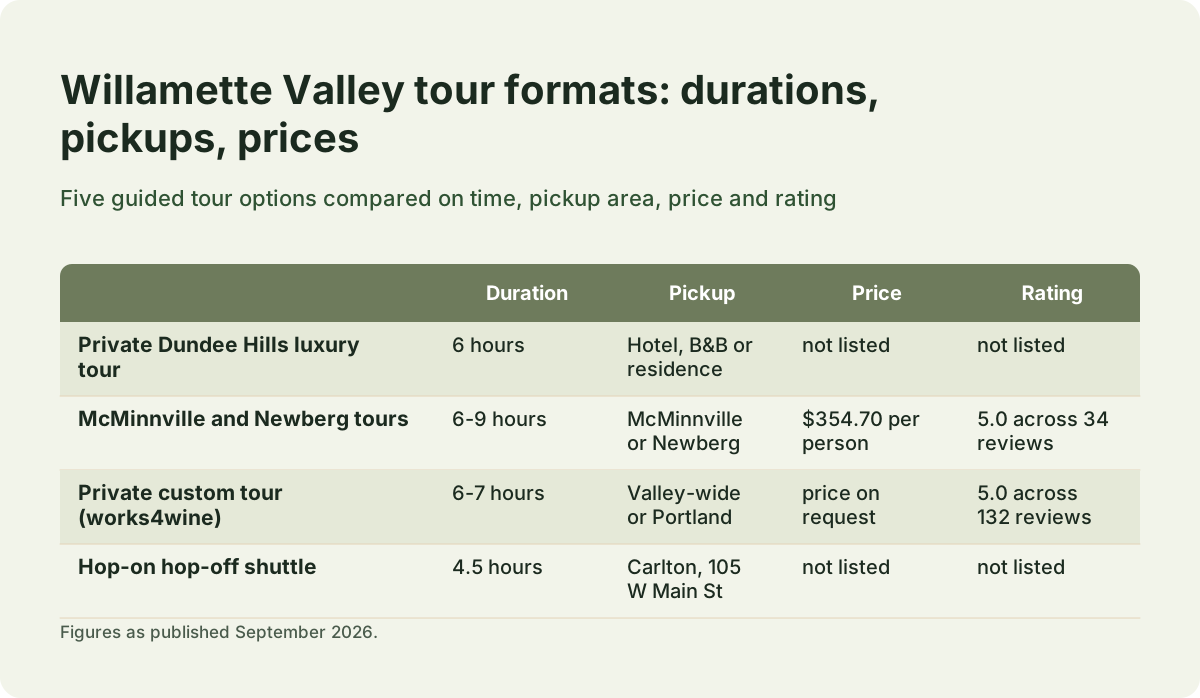
| Tour format | Typical AVA coverage | Pickup area | What it suits |
|---|---|---|---|
| Private Dundee Hills luxury tour (All About You Luxury Wine Tours) | Dundee Hills only, 6 hours | Hotel, B&B or residence pickup | Deep-dive on the flagship AVA, lunch included |
| McMinnville and Newberg tours (Wine History Tours) | Northern AVAs from a wine-country base, 6-9 hours | McMinnville or Newberg lodging | Visitors already staying in the valley |
| Portland small-group and Sprinter van tours | Dundee Hills, Ribbon Ridge, Chehalem Mountains, Yamhill-Carlton in one loop | Downtown Portland hotels or meeting points | First-time visitors sampling several AVAs |
| Private custom tours (works4wine, Sea to Summit) | Your choice, single AVA or multi-AVA | Flexible, valley-wide or Portland | Groups with a specific AVA agenda |
| Hop-on hop-off shuttle (NW Wine Shuttle) | Yamhill-Carlton and neighboring stops, 4.5 hours | Carlton, 105 W Main St | Independent travelers who want a safety net |
The Newberg tour from Wine History Tours is a good example of the base-camp approach: it picks up at Newberg-area hotels, B&Bs and Airbnbs, runs 6-9 hours, includes tasting fees, and is rated 5.0 across 34 reviews, from $354.70 per person. Newberg sits at the edge of the Dundee Hills, so the northern AVAs all sit within a short drive.
For the fully flexible version, the private "Explore the Wines of Oregon's Willamette Valley" tour from works4wine takes up to 12 travelers, runs 6-7 hours, picks up anywhere in the valley or at hotels, and is rated 5.0 across 132 reviews, with price on request and tasting fees extra, often waived with a purchase. That is the tour to pick when you already know which AVA you care about and want the day built around it.
How to plan a visit across multiple AVAs
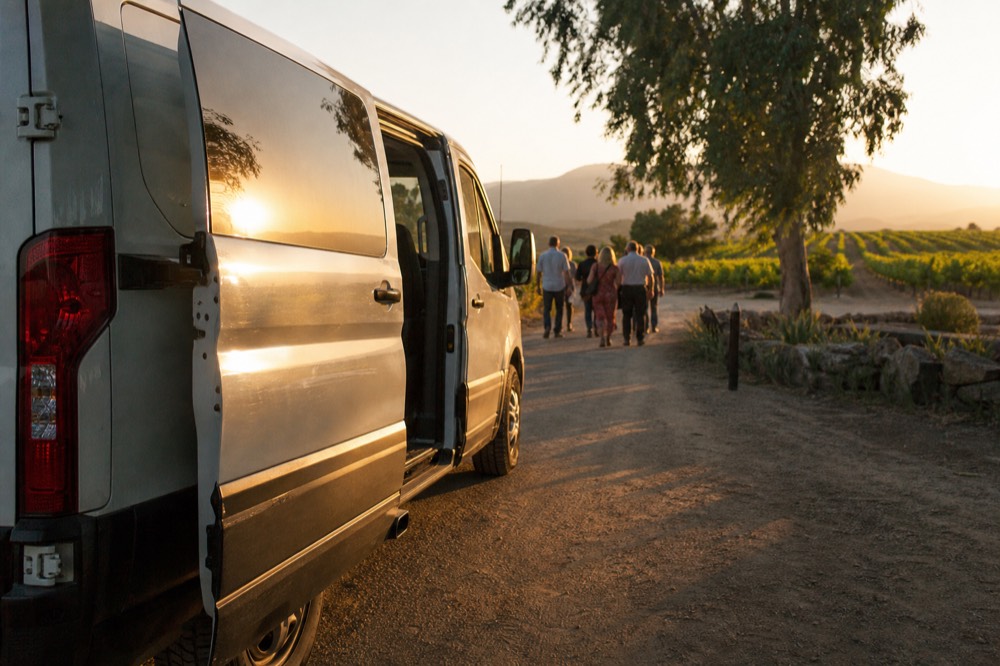
A comfortable AVA-hopping day covers two to three AVAs with three or four tasting stops, because the Willamette Valley Wineries Association recommends allowing at least 90 minutes per tasting and the northern AVAs sit close enough together that driving between stops rarely exceeds a quarter hour. Booking a guided tour removes the routing, the parking and the designated-driver question in one move, and Oregon law gives chartered tour vans an open-container exemption private cars lack.
That legal point is worth understanding rather than skimming. Under Oregon's open-container law, ORS 811.170, passengers in a vehicle operated by a common carrier used primarily to carry passengers for hire are exempt from the prohibition on open alcohol in the passenger area. A chartered wine-tour van qualifies; a car full of friends driving themselves does not. It is the concrete legal reason the association's own visitor advice says to hire a tour company or designate a driver for group visits, and it is why the chartered-van format is so common here.
For a visit that spans several AVAs, match each tour's length, vehicle and starting price to the time and budget you have.
| Tour | Length | Group or vehicle | From price |
|---|---|---|---|
| Willamette Valley Wine Tasting Tour (Half-Day) | 5.5 hours | Private, Mercedes-Benz Sprinter van | $137.75 |
| Wine Tour of Willamette Valley by Sprinter Van | 6 hours | Mercedes-Benz Sprinter van | $145 |
| Portland Wine Tour of Willamette Valley (Sprinter Van) | 6 hours | Mercedes-Benz Sprinter van | $145 |
| Willamette Valley Wine Tasting Tour from Portland | About 7.5 hours | Small group, luxury passenger van | $149 |
| Willamette Valley Full-Day Wine Tour from Portland | Full day, back by about 5pm | Small group, door-to-door | $205 |
| Wine Tour of Willamette Valley with Lunch | 7.5 hours | Small group, door-to-door | $210 |
| Best Wines, Best Views: Private Full-Day Tour | 6 to 9 hours | Private, round-trip vehicle | $318 |
| Willamette Wine Tour from Newberg | 6 to 9 hours | Small group, round-trip | $354.70 |
| Custom Wine Tour from The Allison Inn and Spa | 6 to 9 hours | Small group, English-speaking guide/driver | $430 |
| Private Wine Tour of Willamette Valley from Portland | 7.5 hours | Private, custom 4x4 Mercedes-Benz Sprinter | $600 |
| Private Wine Tour with a Local Sommelier | 6 to 9 hours | Private, sommelier-guided | $2,250 |
| Tour DeVine by Heli: Helicopter Wine Tour | 6 hours | Private, by helicopter | $2,357.50 |
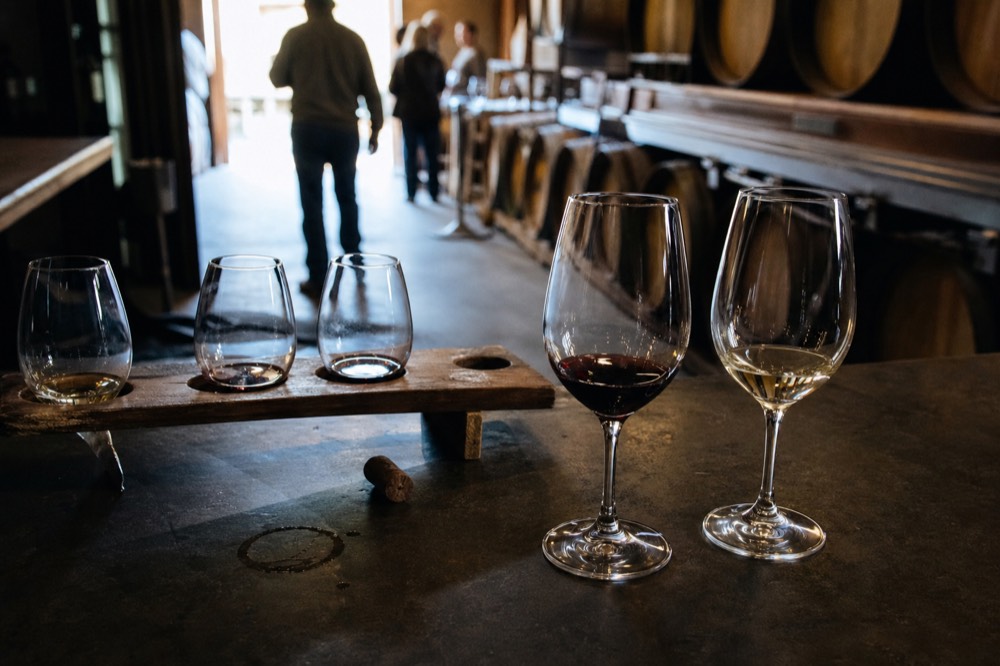
Planning ranges are straightforward. Tasting fees usually run about $25 to $60 per winery depending on the AVA and the format, and many tasting rooms waive the fee with a bottle purchase, but confirm at each stop. If you are assembling the day yourself, the association's guidance to check each winery's reservation policy before visiting is genuinely important: norms are mixed, with some rooms walk-in friendly and others appointment-only, especially for the top-tier Dundee Hills and Ribbon Ridge producers in peak season. Our guide to reservations at Willamette Valley wineries covers the current picture in detail.
A few more resources help round out the plan. The best wineries in the Willamette Valley guide names specific producers worth building an AVA day around, the wine tasting cost guide breaks down a realistic per-person budget, and what makes Willamette Valley Pinot Noir unique explains why the grape that made these six AVAs famous behaves so differently across their soils. Whether you book a tour or drive yourself, Willamette Valley Wine Tours keeps the whole AVA map in one place.
If you would rather hand the whole day to someone who drives these roads daily, these three options cover the single-AVA deep dive, the wine-country base camp and the fully custom private format.
The six Willamette Valley AVAs raise a handful of practical questions for visitors, from what the designation legally means to how many regions fit into a single day of tasting. These are the answers that come up most often when people plan a trip around the valley's nested growing regions, covering the label rules, the geography and the tour formats that match each way of visiting.
Common questions about Willamette Valley AVAs
What does AVA mean in wine?
AVA stands for American Viticultural Area, a grape-growing region with boundaries officially defined by the federal government. A winery may put an AVA's name on its label only when the required share of the grapes comes from inside that boundary, so the designation is a regulated origin claim, not a quality rating.
How many AVAs are in the Willamette Valley?
Six: Dundee Hills, Ribbon Ridge, Yamhill-Carlton, Chehalem Mountains, Eola-Amity Hills and McMinnville. Five are clustered in the northern wine country around Newberg, Dundee and McMinnville, while the Eola-Amity Hills sit farther south near Salem.
Which Willamette Valley AVA should I visit first?
Most first-time visitors start with the Dundee Hills, the valley's flagship AVA, because it combines the region's most famous producers, its recognizable red volcanic soils and easy access from Portland. Its neighbors Ribbon Ridge, the Chehalem Mountains and Yamhill-Carlton are all within a short drive, so a single day can easily add one or two more.
Can you visit more than one AVA in a day?
Yes. The northern AVAs sit close enough together that driving between tasting rooms rarely takes more than 15 to 20 minutes, and guided tours routinely cross three or four AVAs in a single outing. Allowing at least 90 minutes per tasting, a comfortable day covers about three wineries across two or three AVAs.
Do AVA names on a wine label mean the wine is better?
No. An AVA on a label is an origin claim, not a quality grade. It tells you where the grapes grew, which carries real flavor information in a valley with this much soil variation, but excellent and ordinary wines are made inside every AVA boundary.
Which tours focus on a single AVA?
The private Dundee Hills luxury wine tour from All About You Luxury Wine Tours spends its entire six-hour itinerary inside the Dundee Hills AVA. Most other tours cross several AVAs, and private custom tours, such as the works4wine exploration of the valley, let you choose whether to go deep on one region or sample several.